By Todd Smith
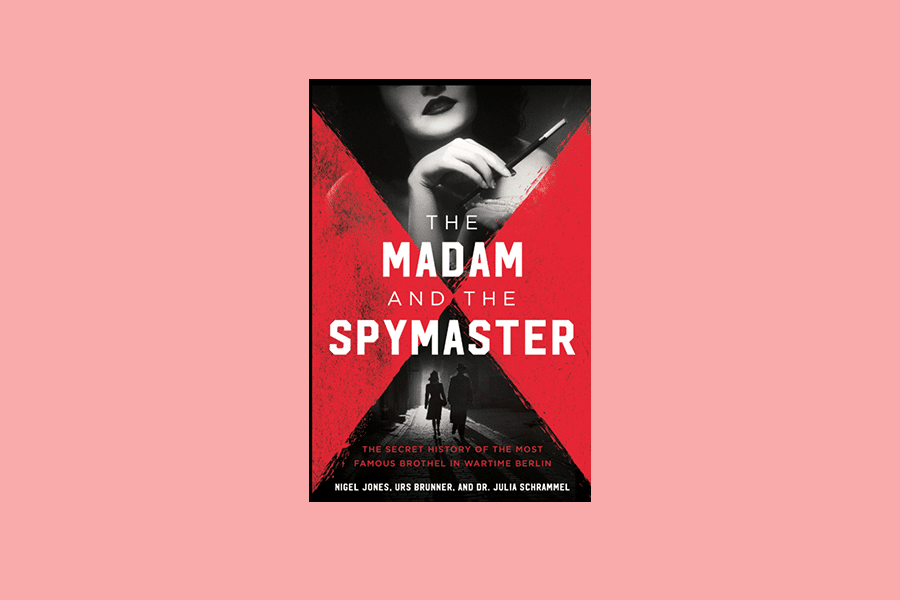
Spy novels teach us that power falls through secrets: sex, money, kompromat. The Madam and the Spymaster shows how this worked in wartime Berlin, where personal weakness became state leverage. Modern Albania offers a quieter, democratic-era version of the same logic. No spies. No shadows. Almost entirely in public view.
Three decades after the fall of communism, Albanian leaders are rarely removed by elections alone. Instead, they are neutralized. Authority is weakened through scandal, recordings, financial exposure, and the loss of international legitimacy. The methods are legal. The damage is irreversible.
Unlike Cold War Europe, there is no evidence of intelligence-run honey traps targeting Albania’s political class. Yet sexual scandal still plays its role.
Leaked videos, rumours, and insinuations emerge with precise political timing, before elections, during protests, amid internal party battles. In a conservative society, morality becomes a blunt instrument. The accusation alone is often enough.
More effective still is surveillance. Albania’s politics runs on recordings. Audio and video leaks function as a parallel constitution, shaping outcomes without due process. Everyone governs as if already compromised. Strategy gives way to survival.
Money, however, is the decisive pressure point. Decades of opaque financing and blurred lines between politics and profit have left leaders uniquely exposed. Anti-corruption enforcement is selective, not systemic, turning the law into leverage rather than protection.
The clearest illustration came from outside Albania.
When Sali Berisha was designated by the United States for alleged corruption, the effect was immediate. No trial. No verdict. Just political isolation. Allies vanished. Influence collapsed. In Albania, legitimacy is not only domestic. It is imported.
Media completes the cycle. Ownership patterns and political alignment turn investigations into factional tools. Leaders are not overthrown. They are exhausted. Trust erodes, voters disengage, and democracy becomes procedural rather than substantive.
This is not espionage. It is soft coercion, transparent, legal, and devastatingly efficient. The lesson for Europe and the United States is uncomfortable but clear. When institutions are weak, democracy does not fail dramatically. It erodes quietly.
Albania’s problem is not that secrets exist. It is that secrets govern.